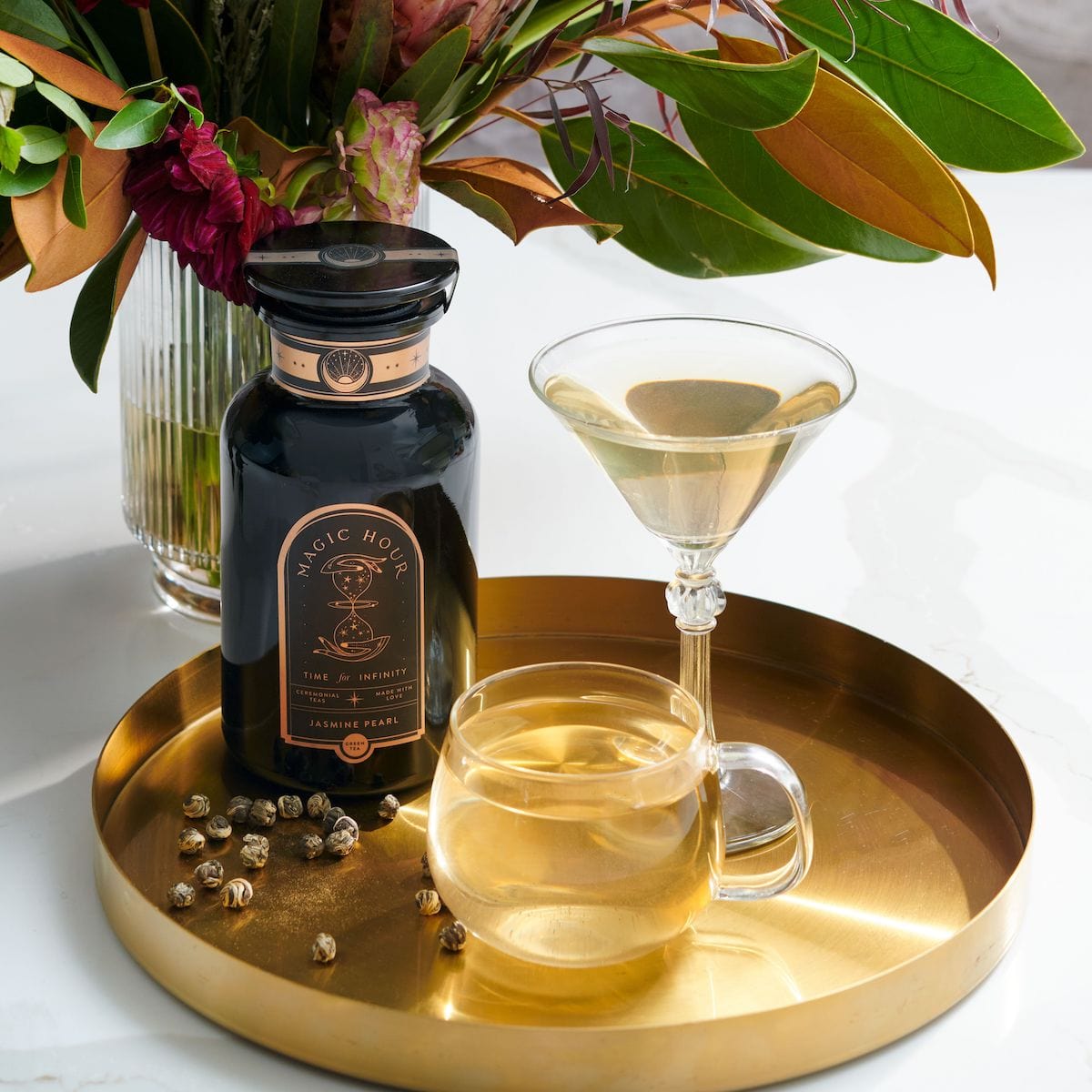
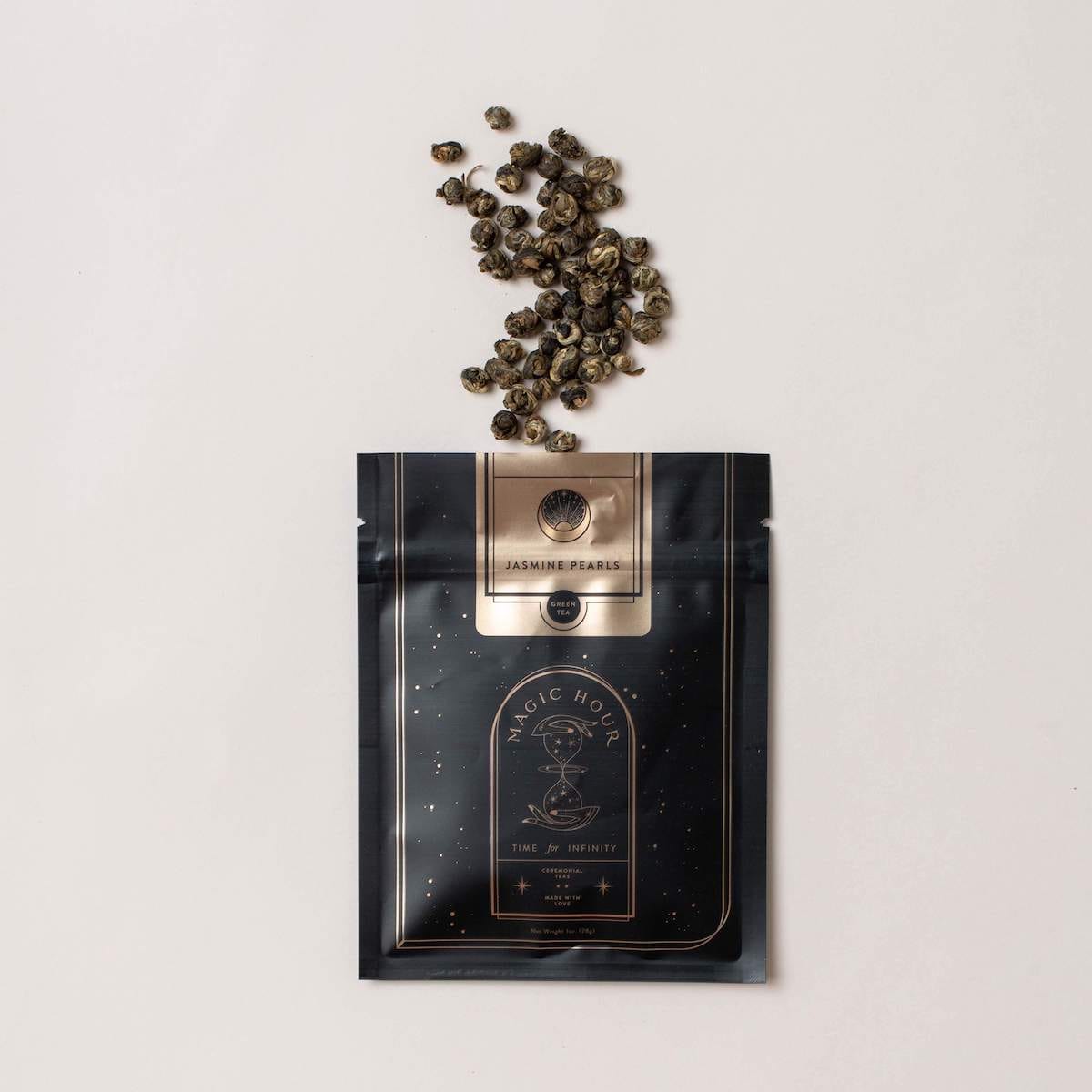
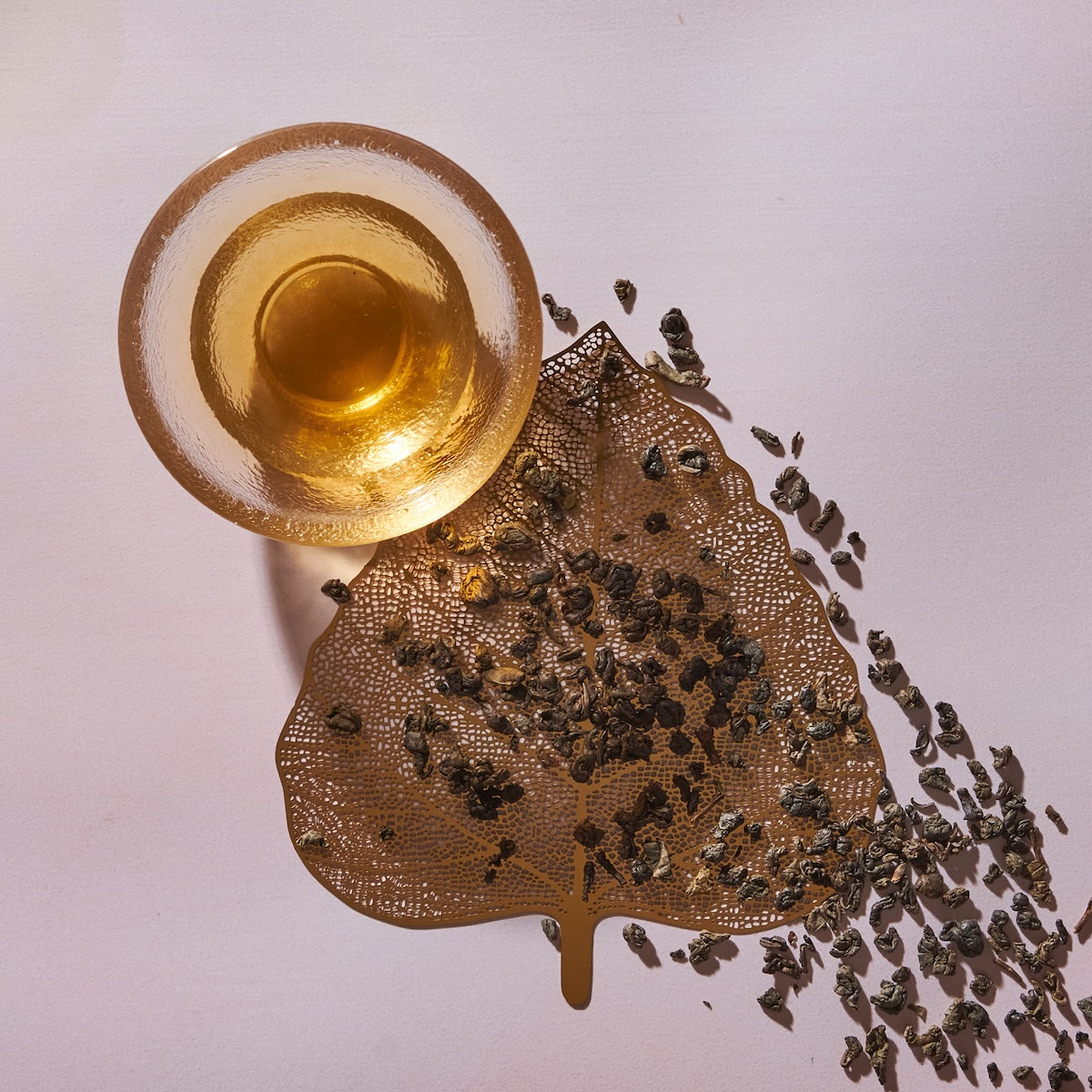
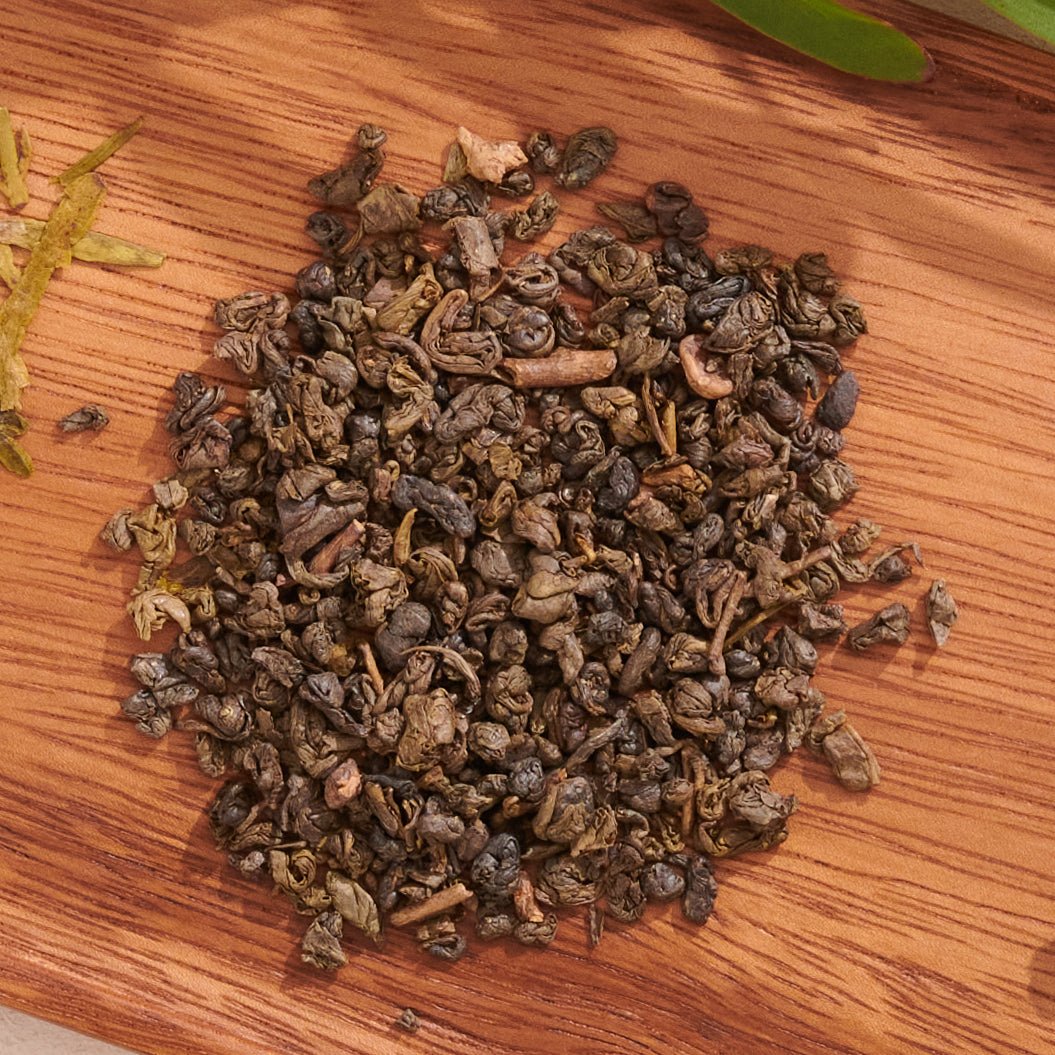
Green, black, white, oolong, matcha, pu-erh. I'm about to ruin your ability to see them as separate things.
Let me undo something for you.
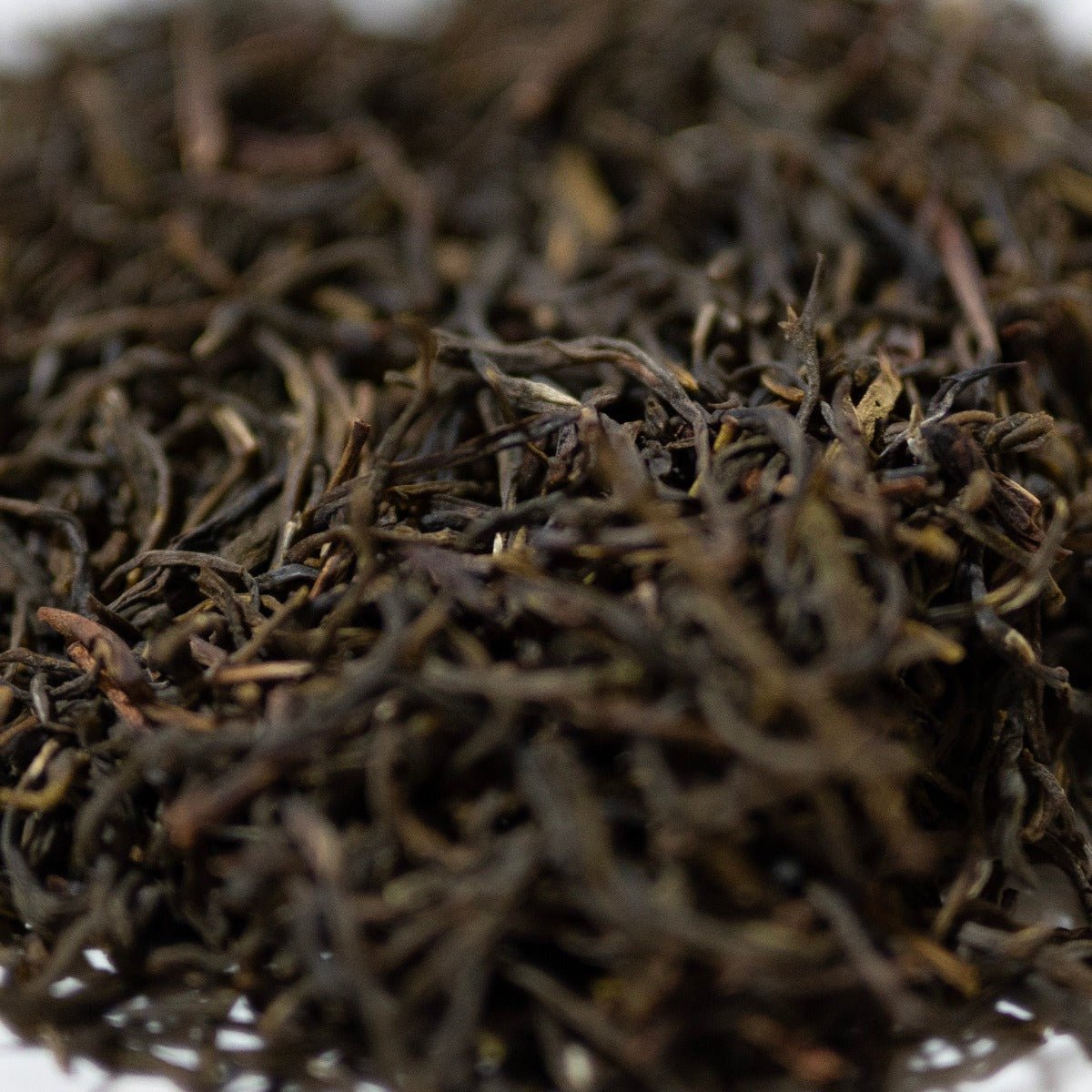
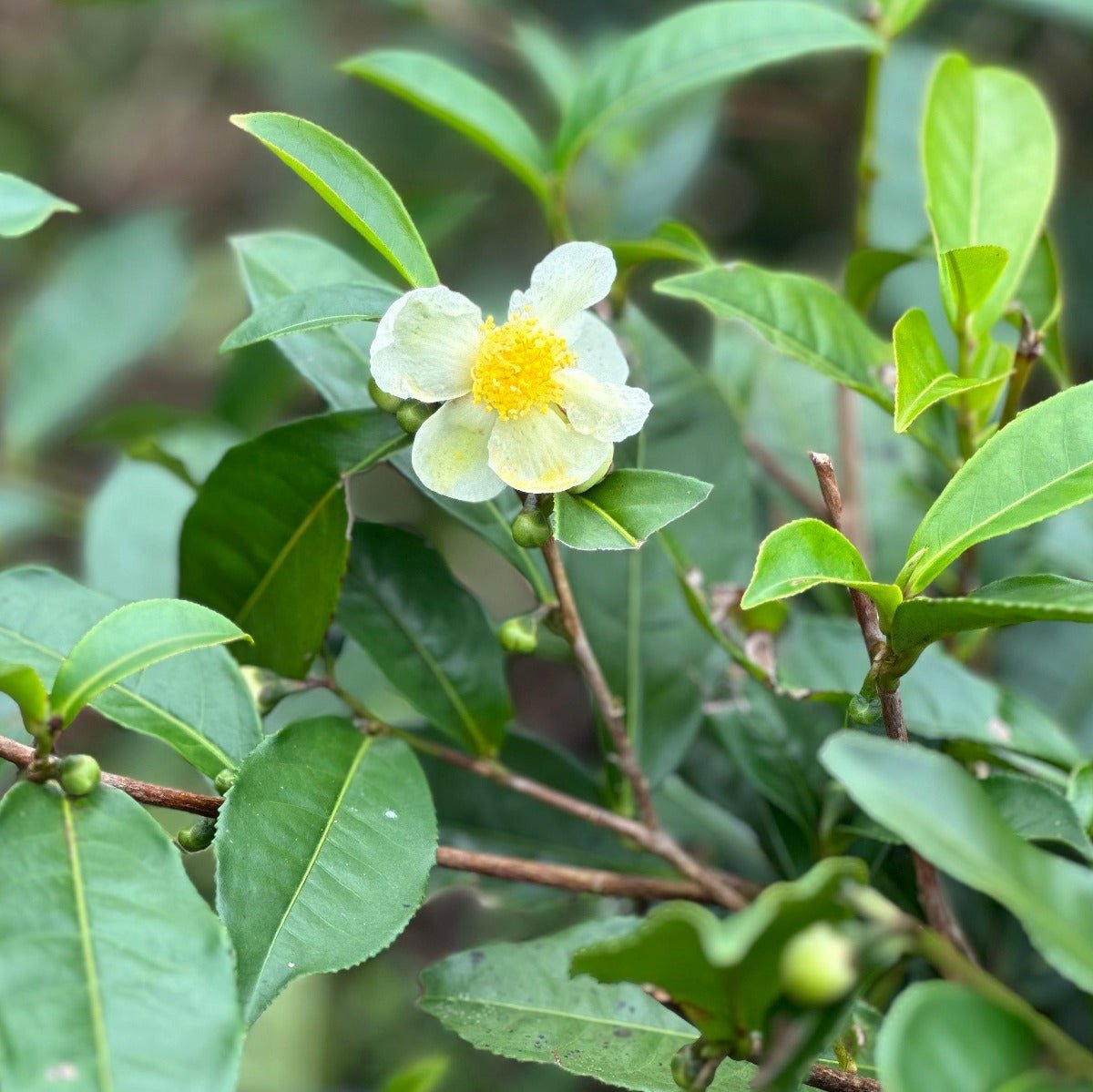
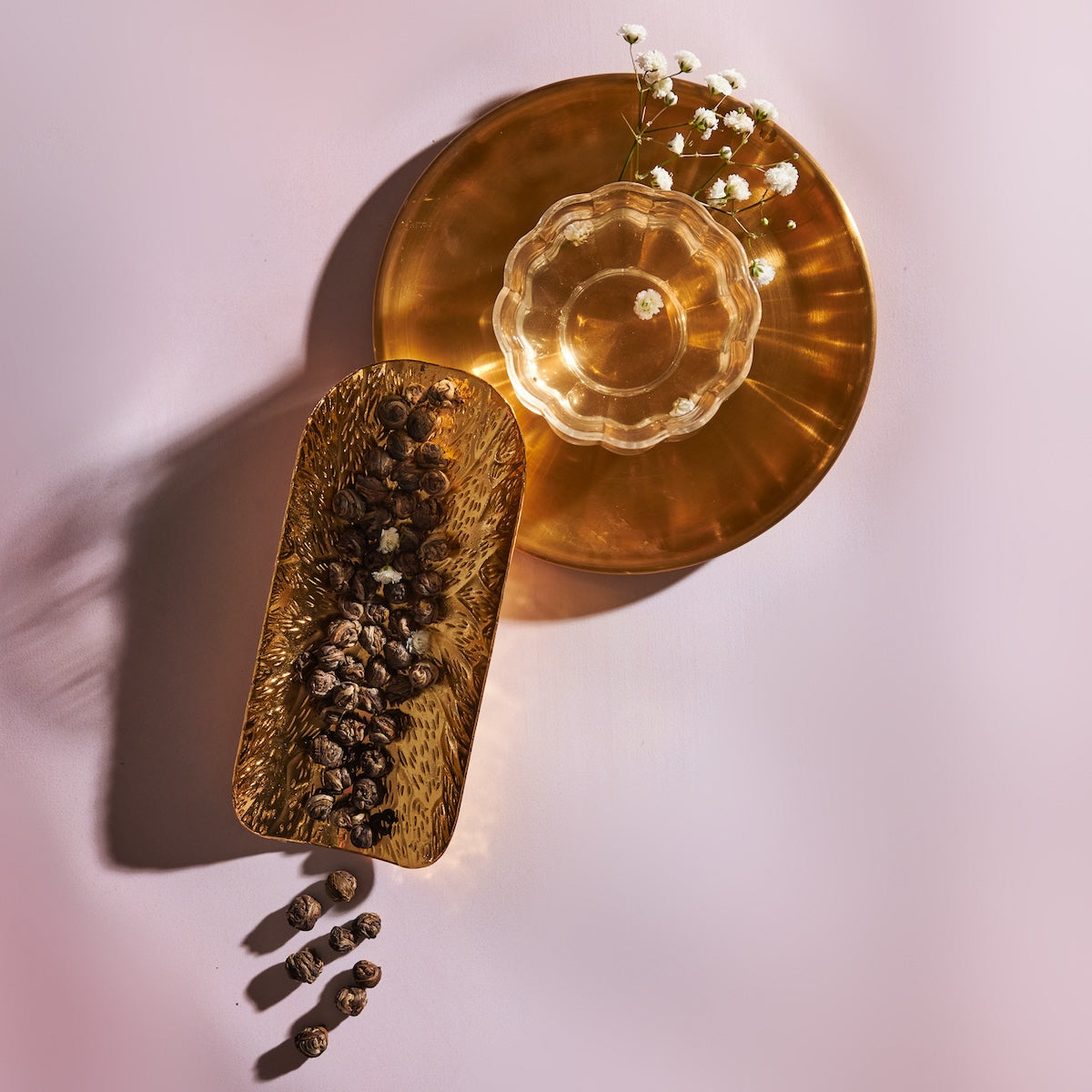
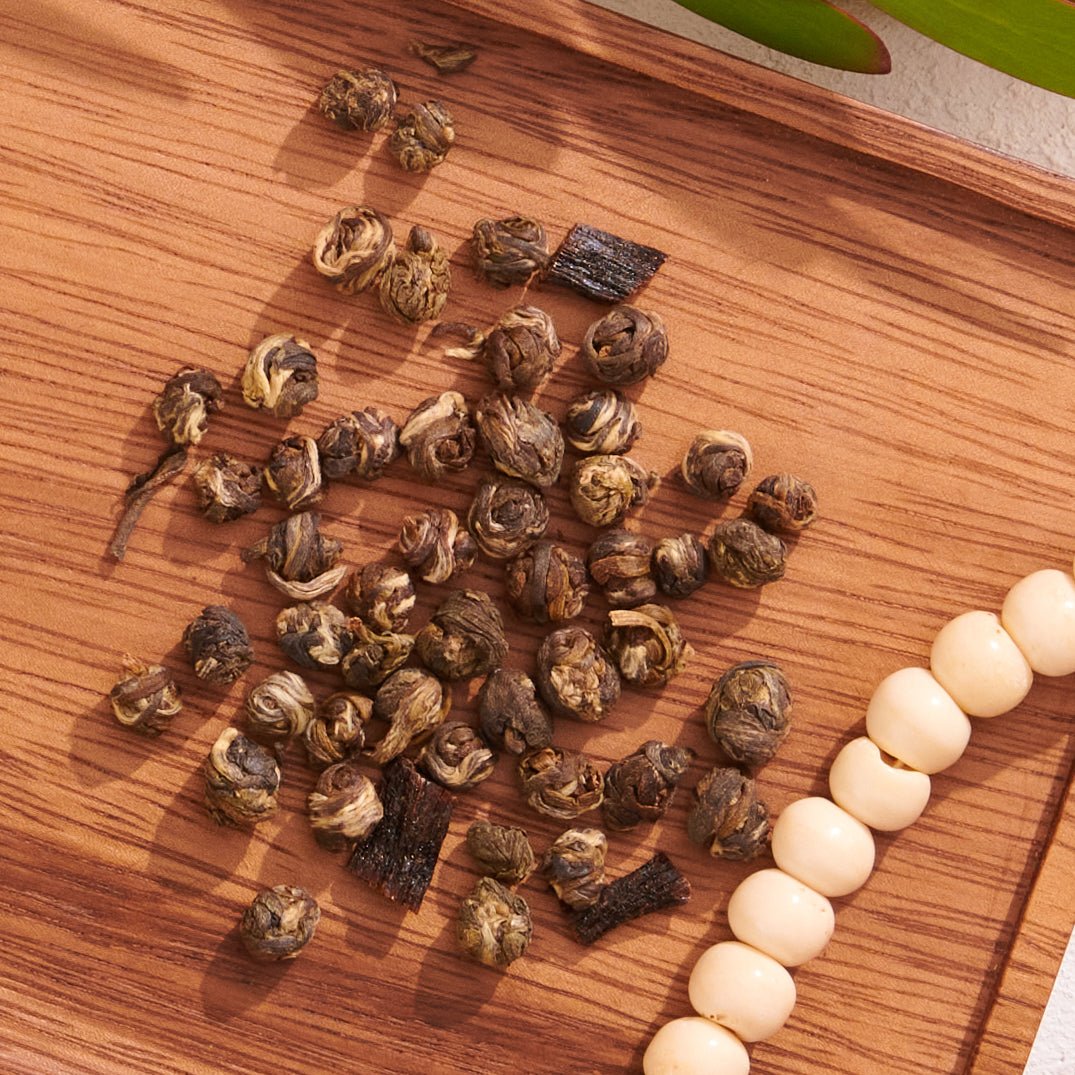
Green tea, black tea, white tea, oolong, matcha, pu-erh — every last one of them comes from the same plant. One plant. Camellia sinensis. I have said this sentence to genuinely brilliant people — scientists, doctors, a rocket engineer once — and watched their whole face reorganize.
"Wait. What. Whoa."
Here's the way I like to explain it: tea is wine. Not literally (please don't email my compliance guy), but structurally. There are over three thousand cultivated variations of the wine grape, and there are over three thousand variations of this one tea plant. Weather changes it. Altitude changes it. The time of day it's picked changes it. The exact moment they decide to stop it changes it. So everything you've ever sipped is really just the same leaf in a different mood — and the mood is decided by what happens in the hours after it's plucked.
Once you see that, tea stops being a wall of confusing options and starts being a language you already half-speak. Let me give you the whole alphabet in five minutes.
Green tea: the raw one
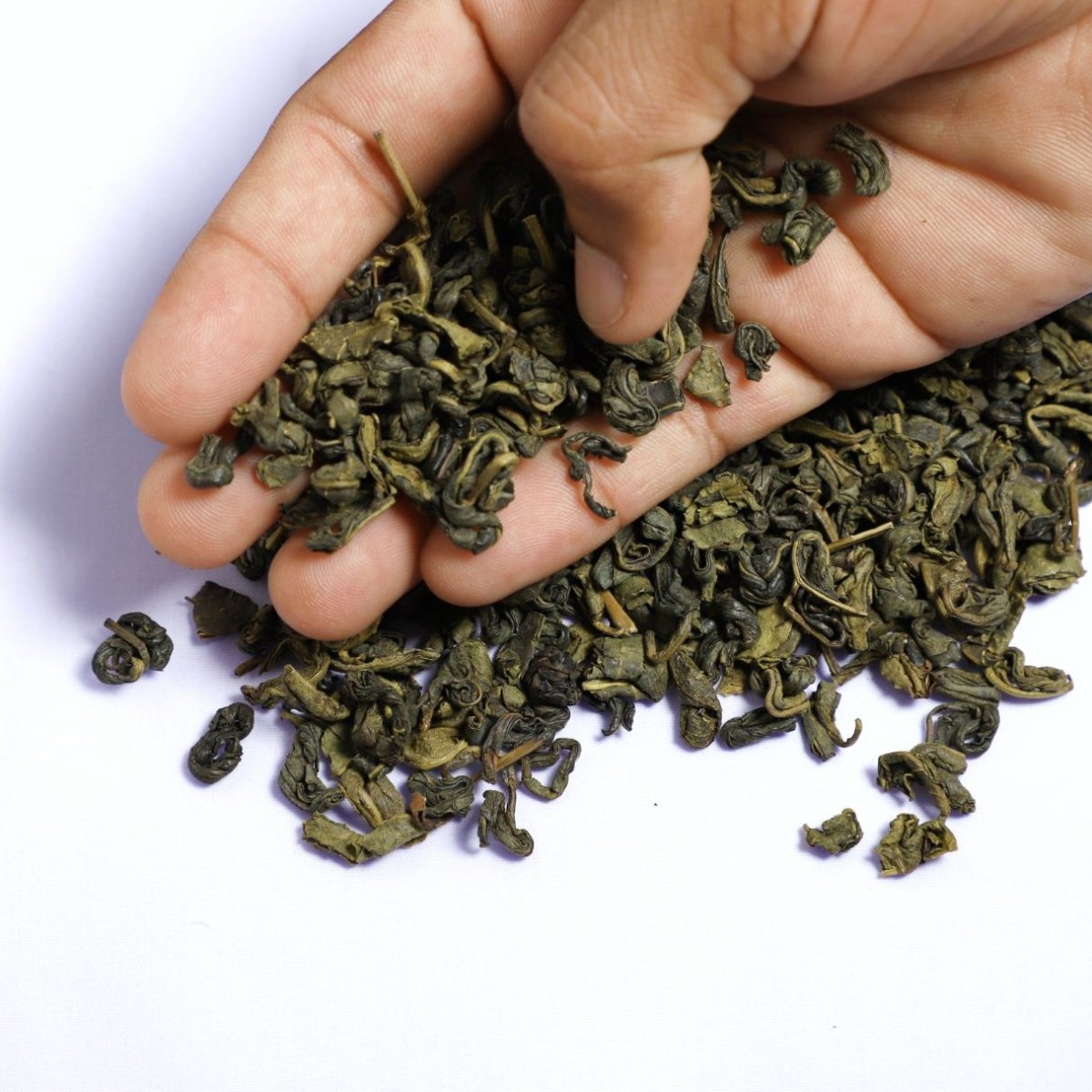
This is the chi of tea. The instant it's picked, they steam or fire it to stop oxidation in its tracks — before oxygen can start turning it dark. So it stays bright, grassy, alive. Green tea holds around fifteen hundred active components (and researchers keep finding more), and it's the highest inthe good bright stuff. Energetically it's lifted and lilting — a cup that sends your energy up. If tea had a springtime, this is it.
Matcha: green tea, powdered and unfiltered
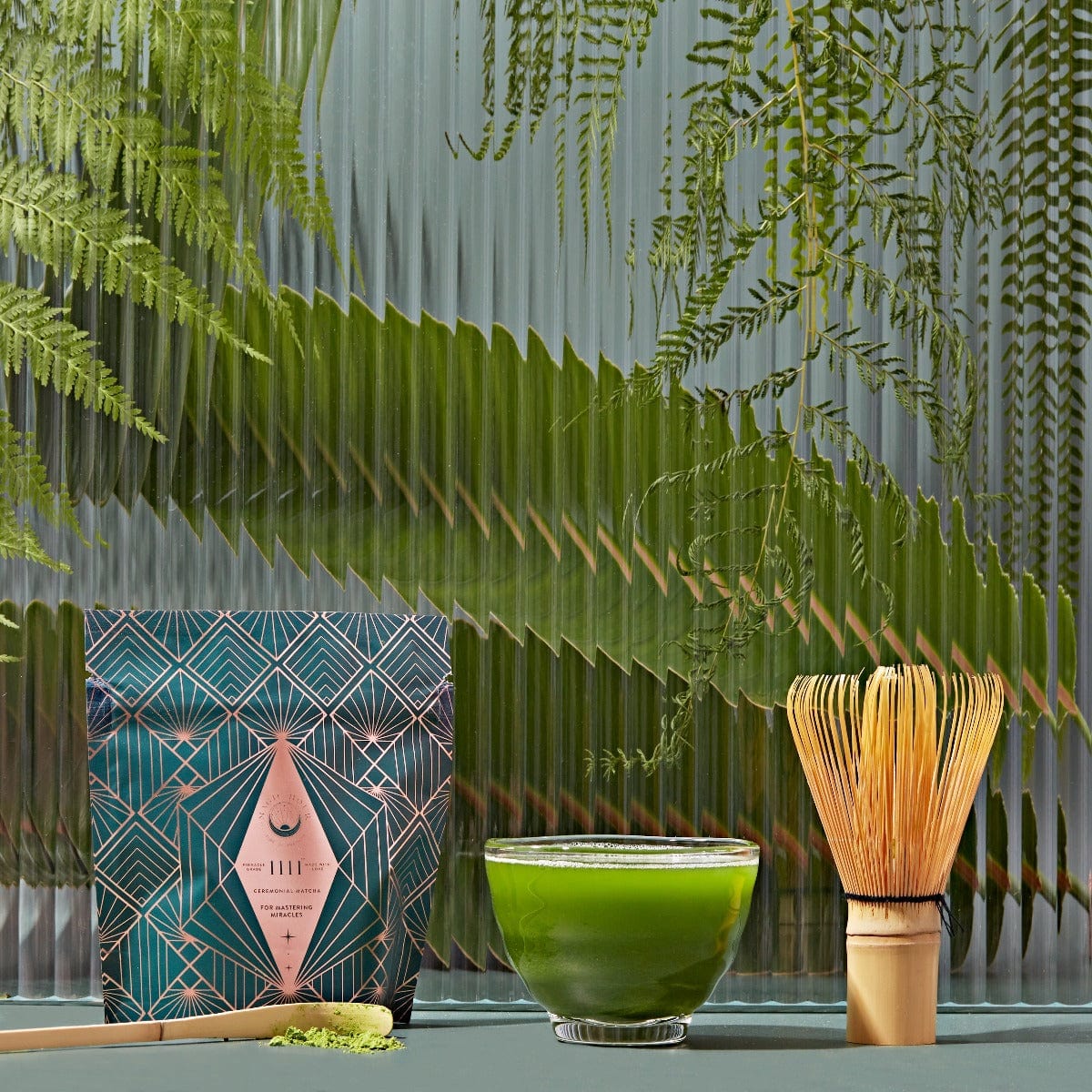
Matcha is green tea's intense little sibling. Instead of steeping the leaf and pouring off the water, you grind the whole leaf into powder and drink all of it. So you're not getting an extraction — you're getting the entire plant. It's the tea that made me fall in love in the first place, on a dorm floor in the middle of Missouri, but that's another blog.
Oolong: caught beautifully in between
Oolong is the shapeshifter. It's partly oxidized — somewhere on the road from green toward black — and that road is infinite. One oolong might be 18% of the way there; another 70%. This is the beauty remedy of Taiwan, and chemically it's fascinating: as the leaf begins to transform, some compounds rise and others fall, and you land somewhere honeyed, orchid-like, softer in the tannins, gently grounding.
Black tea: all the way home
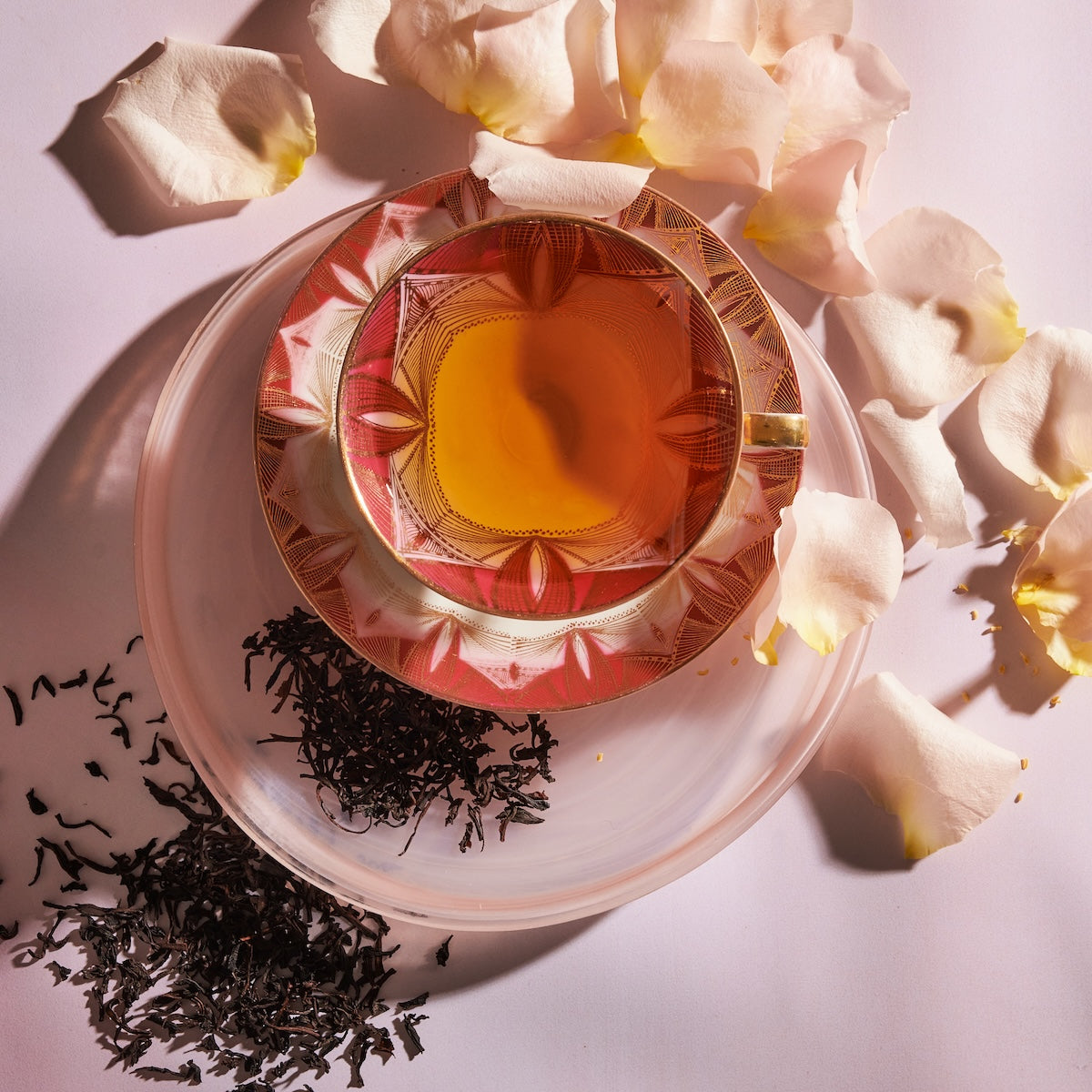
Black tea goes the full distance. They let it oxidize for hours until the leaf turns — and I mean this lovingly — like a bruised banana. Deep, red, rich, grounding. The scent when it makes that turn is perfect. This is your morning-in-a-mug, your steady cup, the one that anchors you.
White tea: barely touched
The gentlest of all. Minimal processing, delicate, cooling to the system. If green tea is spring, white tea is the first soft morning of it.
Pu-erh: the wild one
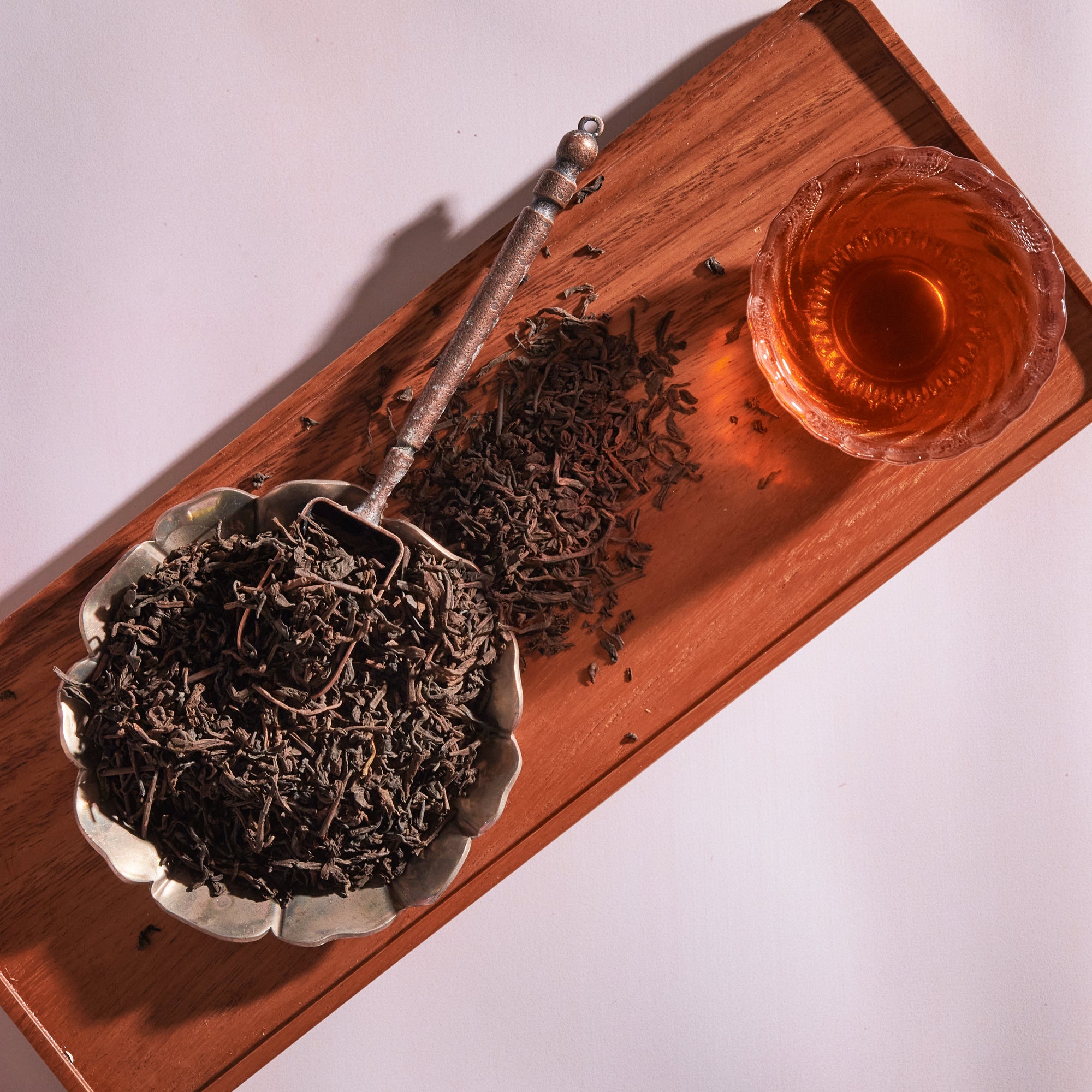
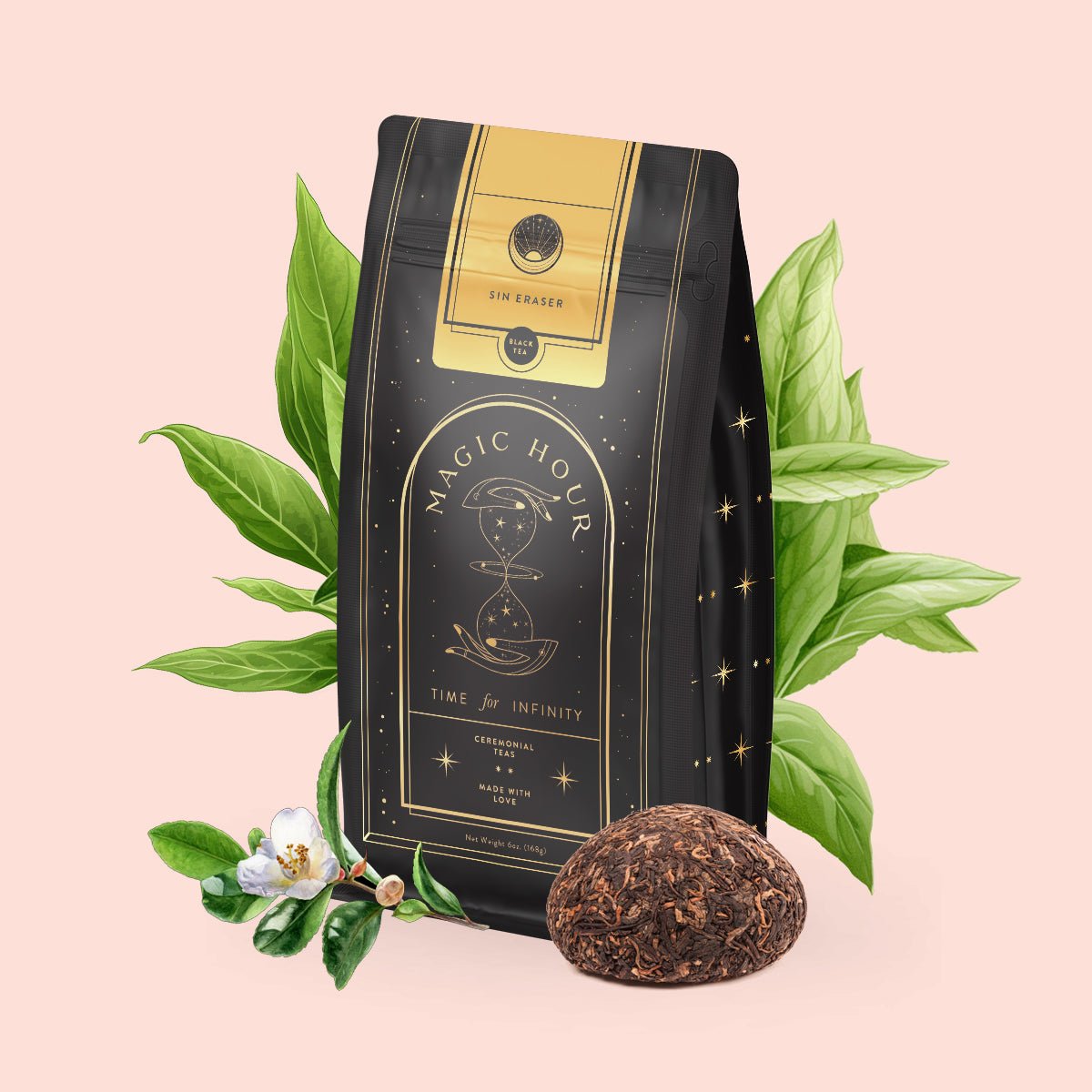
Pu-erh is fully fermented and then aged — sometimes in caves — and it grows a friendly bacteria that's genuinely good for your gut. I call it the yogurt of tea. It's earthy and grounding and deeply satisfying, and I have a whole other name for it that involves the word "sin," but I'll behave.
So which one is "best"?
The one you actually want to drink. That's not a cop-out — it's the entire philosophy. Notice how each cup lands in your body. The lighter, brighter teas lift you; the darker, aged ones ground you. Some days you need spring. Some days you need the earth. Your job is just to pay attention. And please — do not get intimidated. You're not trying to speak French in Paris. After reading this, you already know more about tea than nearly everyone in any room you'll walk into. So drink it, name what you taste, and let the plants have access to you. That's the whole practice.
Want a place to start? Our Green blends are pure springtime, and if you want the deep grounding kind, meet the pu-erh in Bohemian Breakfast.